
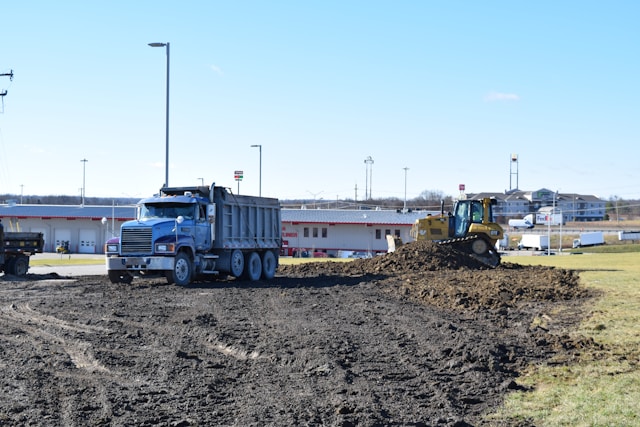
How Suspension Systems Revolutionize Heavy Equipment Handling
Key Takeaways:
- Suspension systems enhance the safety and efficiency of heavy equipment handling.
- Understanding different types of suspension systems can optimize machinery performance.
- Implementing advanced suspension technologies can reduce maintenance costs and increase lifespan.
Table of Contents:
- Introduction to Suspension Systems in Heavy Equipment
- Importance of Advanced Suspension Systems
- Different Types of Suspension Systems
- Benefits of Modern Suspension Technologies
- Challenge and Common Issues
- Future Trends in Suspension Systems
Introduction to Suspension Systems in Heavy Equipment
Suspension systems are vital for the performance and safety of heavy equipment. They help distribute weight evenly, reduce vibrations, and improve stability during operation. Whether on construction sites or in industrial settings, these systems enable heavy machinery to handle challenging terrains and heavy loads more efficiently, ensuring smooth and precise operation.
Incorporating advanced components like suspension casters enhances the adaptability of heavy equipment. These casters allow for better mobility and shock absorption, making maneuvering machinery in tight or uneven spaces easier. By reducing strain on the equipment and operator, these casters contribute to a safer and more efficient work environment, supporting productivity in demanding industries.
Importance of Advanced Suspension Systems
With the ever-evolving demands of industrial sectors, the importance of advanced suspension systems has only intensified. Modern heavy machinery often finds itself in daunting scenarios, from construction sites with debris to varied terrains typical of mining operations. Under these conditions, suspension systems must be robust enough to withstand industrial environments’ daily wear and tear. These systems’ resilience and adaptiveness are key to extending machines’ lifespans and preventing frequent breakdowns that compromise operations and safety. Thus, the efficiency and reliability of heavy equipment operations owe much to these advanced suspension technologies.
Different Types of Suspension Systems
Suspension systems come in various forms, each developed to meet specific operational needs and challenges. The main types include hydraulic, pneumatic, and spring coil systems. Hydraulic suspension systems, renowned for their superior shock absorption capabilities, are ideal for equipment operating on uneven or bumpy grounds. They leverage fluid pressure to smooth movement, which is essential for minimizing machinery wear. On the other hand, Pneumatic systems offer adjustable pressure levels that accommodate different load weights and distributions, making them exceptionally versatile. Meanwhile, spring coil systems—recognized for their durability and cost-effectiveness—are often used in applications where budget considerations factor prominently while performance cannot be compromised.
Benefits of Modern Suspension Technologies
The integration of modern suspension technologies in heavy equipment offers several key advantages. First and foremost, these systems enhance the comfort of the riding experience for operators, reducing fatigue and improving focus. By stabilizing equipment and ensuring smoother interactions with varying surface conditions, modern suspension systems directly contribute to improved operational efficiency. Moreover, reducing machinery vibrations and shocks decreases the wear on major components, thus extending the intervals between maintenance and repair. This leads to substantial cost savings over the lifespan of the equipment. Additionally, these technologies often improve fuel efficiency, reducing unnecessary energy expenditure.
Challenge and Common Issues
Despite their myriad benefits, suspension systems are not immune to challenges. Common issues arise from irregular maintenance schedules, exposure to corrosive environments, and improper installation methods. Regular, thorough maintenance is critical to preemptively addressing these issues. For instance, ensuring that hydraulic fluids are changed regularly and that pneumatic systems are free from air leaks can prevent significant operational disruptions. A proactive approach involving regular diagnostic checks and adherence to manufacturer guidelines preserves the efficacy and reliability of these systems, safeguarding both equipment investments and the safety of operating personnel.
Future Trends in Suspension Systems
The future of suspension technology is set for exciting innovations that promise to further revolutionize heavy equipment handling. Among the most anticipated advancements are adaptive suspension systems that automatically adjust in real time to account for differential load weights and surface conditions. These smart-systems utilize sensors and AI-driven algorithms to offer enhanced precision and balance. Similarly, self-leveling suspension systems are gaining traction. They provide unmatched stability across uneven terrains, ensuring machinery remains balanced and operators retain optimum control. The widespread adoption of these innovations will likely bring about even greater efficiencies in heavy equipment operations and open up new possibilities for industry applications.