

How Estate Planning Decisions Shape Your Financial Future
Key Takeaways
- Estate planning is essential for ensuring that your assets are distributed according to your wishes and helps avoid unnecessary legal disputes.
- Legislative changes and digital assets should be accounted for in a comprehensive estate plan.
- Regular review and professional guidance are crucial for keeping your estate plan current and effective.
Table of Contents
- Understanding the Basics of Estate Planning
- The Impact of Estate Planning on Financial Security
- Adapting to Legislative Changes
- Incorporating Digital Assets into Your Estate Plan
- Regularly Reviewing and Updating Your Estate Plan
- Seeking Professional Guidance
- Conclusion
Understanding the Basics of Estate Planning
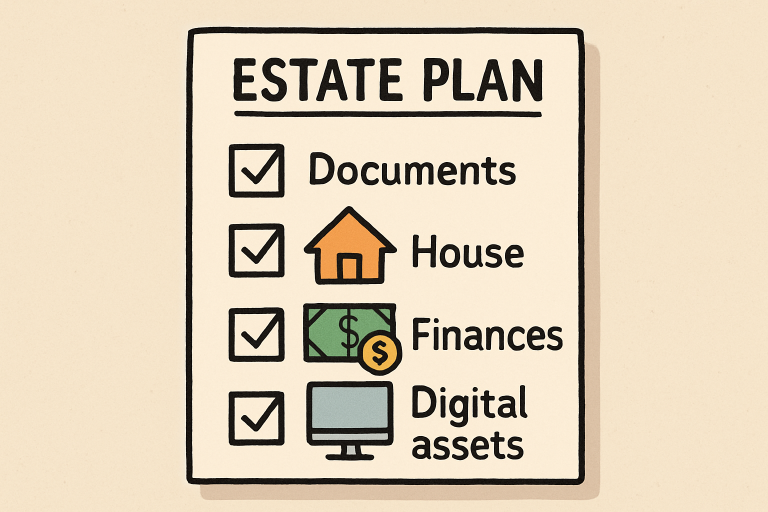
Estate planning forms the foundation of sound financial management. It involves making critical decisions about how your property, valuables, and digital assets will be distributed after your passing. At a basic level, this means preparing documents such as wills and trusts, appointing powers of attorney, and establishing healthcare directives. These vital steps allow you to retain control over your legacy and shield your loved ones from unnecessary complications. For individuals seeking tailored guidance, professional services such as financial planning Franklin Lakes NJ, can help integrate estate strategies into a broader, long-term wealth management plan.
The intricacies of estate planning are not just about choosing beneficiaries. Deliberate planning can help you anticipate taxes, protect your beneficiaries from possible financial mismanagement, and even ensure that charitable intentions are honored. By putting a comprehensive plan in place, you give your family clarity and comfort during emotionally challenging times.
The Impact of Estate Planning on Financial Security
A carefully structured estate plan enhances your financial security by helping you minimize expenses, taxes, and legal entanglements. Clear directives reduce the risk of costly disputes among heirs and efficiently distribute your wealth according to your vision. Furthermore, by leveraging trusts and other legal tools, you can leave assets to minors or beneficiaries with special needs, ensuring long-term support and protection through trusteeship or structured disbursements.
Many families are surprised to discover how proper estate planning can benefit daily financial health. Setting up mechanisms for incapacity, such as a durable power of attorney, allows someone you trust to manage your financial affairs if you become unable to do so. This foresight is key to the continuity of your financial objectives, reducing potential roadblocks or delays when decisions must be made promptly.
Adapting to Legislative Changes
Legislation affecting estate and inheritance taxes frequently evolves, so an estate plan can become outdated more quickly than anticipated. For example, new federal estate tax exemptions or state law modifications can either expose your estate to additional taxes or provide saving opportunities if your plan is updated accordingly. Being aware of these shifts and adapting your estate strategies can help maximize your legacy.
Regular communication with your financial or legal advisor ensures you take advantage of significant legislative opportunities. For instance, when federal statutes raise exemption thresholds, larger portions of your estate can pass to heirs tax-free—but only if your documents have kept pace with the law.
Incorporating Digital Assets into Your Estate Plan
The rise of digital finance and online assets means your estate plan should account for much more than just physical possessions and traditional financial accounts. Digital assets include everything from social media accounts and cloud storage to cryptocurrencies and digital artwork. Failing to address these assets can leave your family with unnecessary complications or even missed value. Naming a digital executor and providing clear instructions for accessing and transferring these assets is now considered a necessary component of a thorough estate plan.
When planning for digital holdings, outline where the assets are stored, how they can be accessed, and any authentication steps required. This preparation protects your digital legacy and ensures valuable information does not become inaccessible due to oversight.
Regularly Reviewing and Updating Your Estate Plan
Life rarely remains static. Milestones such as marriage, the birth or adoption of children, divorce, remarriage, or changes in your asset portfolio all necessitate a fresh look at your estate plan. Even the simple passage of time may require updates as tax rules shift or you refine your wishes concerning your assets and loved ones.
Periodic reviews with professionals are essential to ensuring that your intentions are captured accurately and that your estate is structured in the most tax-efficient and secure manner possible. Set a recurring schedule (at least annually or following major events) to consult your advisors and review documentation.
Seeking Professional Guidance
Navigating the legal landscape of estate planning can be daunting without the right support. Estate planning professionals, such as attorneys and certified financial planners, provide crucial expertise in specific fields relevant to your unique life circumstances. Their guidance ensures your documents remain legally sound and aligned with your current financial situation, family needs, and legal environment. Working with a seasoned professional is not just about expertise but also about providing objective feedback as you make difficult decisions.
Professionals can advise on specialized tools such as generation-skipping trusts, irrevocable life insurance trusts, and charitable foundations, helping you make informed decisions that maximize security and minimize future disputes. For many, peace of mind begins with a simple consultation to clarify confusing estate terminology and understand your best next steps.
Conclusion
Estate planning is not simply a one-time task. It is a dynamic and integral part of ongoing financial management. By dedicating time to creating and periodically updating a thoughtful estate plan, you not only shield loved ones from distress and uncertainty, but also preserve the legacy you have worked hard to build. Take proactive steps today to secure the financial future you envision, ensuring your wishes are honored every step of the way.