

Understanding the Benefits of Government-Backed Business Loans
Key Takeaways
- Government-backed loans tend to feature more favorable interest rates and repayment terms.
- They are accessible to a wide variety of businesses, including those owned by minorities or located in underserved areas.
- SBA 7(a), 504, and Microloan programs are designed to meet a range of business needs, from startup costs to major asset purchases.
- Recent government initiatives prioritize accessibility and inclusivity, expanding opportunities for minority- and women-owned businesses.
Securing financing can be one of the most challenging steps for entrepreneurs launching or expanding a business. For many, government-backed loans provide an accessible pathway, offering more flexible terms and competitive interest rates compared to conventional financing options. Programs such as the SBA 7(a) and 504 loans are specifically designed to help business owners overcome common financial barriers, whether seeking working capital, purchasing equipment, or investing in real estate. Entrepreneurs looking for specialized guidance can turn to a SBA 7(a) & 504 loan broker Tucson to improve their chances of approval and find the best lending opportunities for their needs.
Government-backed loans support established businesses and create opportunities for startups and underserved communities. They usually have lower interest rates, longer repayment terms, and diverse uses, unlike private loans. As trends shift, more programs focus on inclusivity, broadening entrepreneurship. These programs adapt to economic changes, remaining vital for small business growth and job creation, aligning with economic initiatives promoting entrepreneurship and employment.
What Are Government-Backed Business Loans?
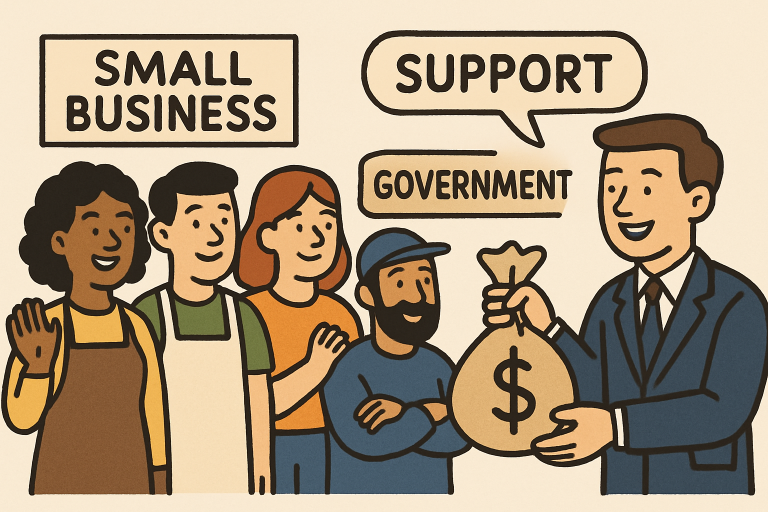
Government-backed business loans are loans in which a government agency, most commonly the U.S. Small Business Administration (SBA), partially guarantees repayment if the borrower defaults. This guarantee significantly reduces the risk for private lenders, making them more likely to approve borrowers who may lack a strong credit history or sufficient collateral for a traditional loan. As a result, government-backed loans play a crucial role in supporting entrepreneurs with viable business plans who face hurdles in the conventional lending space.
Advantages of Government-Backed Loans
The structure and oversight attached to government-backed financing unlock key advantages for borrowers:
- Lower Interest Rates: With lowered lender risk, banks and credit unions can offer more competitive rates, helping businesses save over the life of the loan.
- Longer Repayment Terms: Programs often extend repayment schedules, easing monthly cash flow burdens for borrowers and enabling greater investment in growth.
- Flexibility in Loan Usage: Funds may be allocated for a broad spectrum of needs, from daily operational costs and equipment purchases to land and real estate development, depending on the loan program selected.
Popular Government-Backed Loan Programs
SBA offers several loan programs to support small businesses. The SBA 7(a) Loan Program is the most versatile, catering to a range of business needs such as working capital, inventory, equipment, and commercial real estate. It is favored for its flexible terms and lower qualification requirements. The SBA 504 Loan Program focuses on funding investments in fixed assets, primarily real estate and major equipment, promoting economic development and job creation through long-term, fixed-rate financing, often in collaboration with community development corporations. Lastly, the Microloan Program provides loans of up to $50,000 to startups and very small businesses, particularly aiding entrepreneurs in disadvantaged communities or those with limited credit histories, and offering essential seed capital to launch their businesses.
Recent Trends in Government-Backed Lending
The past few years have seen a notable increase in the volume and reach of government-backed loans. According to SBA data, the agency backed over $56 billion in business financing in fiscal year 2024, rising 7 percent from the year before. Growth in smaller loan financings has been significant, with over 100,000 individual loans, a 22 percent increase from 2023 and a 50 percent increase from 2020. These increases have delivered substantial resources to a diverse array of businesses, with particular growth in loans to Black-owned, Latino-owned, and women-owned businesses. SBA Administrator Isabel Casillas Guzman has highlighted the pivotal role these loans play in supporting small business expansion and speeding up national economic recovery efforts.
Impact on Minority-Owned Businesses
Government-backed loans are a crucial tool for supporting minority entrepreneurs who often face higher barriers in securing traditional financing. In particular, lending through SBA programs to Latino-owned businesses now exceeds $3 billion, almost twice the volume from just two years ago. This growth points to a broader surge in small businesses within Hispanic communities, as well as among Black and women entrepreneurs nationwide. The expanded loan volumes are a result of recent government outreach efforts and reforms aimed at promoting inclusivity and prosperity among underrepresented business owners.
State-Level Initiatives
In addition to federal solutions, state governments are also implementing programs to boost business lending at the local level. For instance, the state of Missouri recently expanded its MOBUCK$ program, a low-interest loan initiative, raising its cap from $800 million to $1.2 billion following increased demand caused by elevated national interest rates. Such programs underscore the push by states to fill financing gaps left by traditional lenders and address the impacts of wider economic changes on Main Street businesses. State-level involvement ensures that government-backed lending remains nimble and responsive to real-world business needs, especially during periods of financial uncertainty.
Conclusion
Government-backed business loans deliver tangible benefits for today’s entrepreneurs and small business owners. With lower interest rates, manageable repayment schedules, and flexible use-cases, these programs serve as vital financial lifelines for a diverse group of businesses. Inclusive efforts at both the federal and state levels further expand the reach of these loans, helping to drive entrepreneurial innovation, business expansion, and strong job creation across the country. For any business seeking reliable growth capital, the advantages of government-backed loans are clear and increasingly accessible.