
Advancements in Vehicle Electronics: Navigating the Future of Diagnostics and Repair
Key Takeaways
- Modern vehicles are evolving into complex networks of interconnected systems, necessitating advanced diagnostic tools and techniques.
- Artificial Intelligence (AI) and Machine Learning (ML) are enhancing the accuracy and efficiency of vehicle diagnostics.
- Over-the-Air (OTA) updates are revolutionizing software maintenance by enabling remote updates and reducing the need for physical interventions.
- Augmented Reality (AR) is providing technicians with real-time, interactive repair guidance, improving service quality and speed.
- Remote diagnostics and telematics are enabling proactive maintenance strategies that minimize downtime and repair costs.
Modern vehicles have ushered in a new era of connectivity and digital complexity. From advanced driver assistance to fully digital dashboards, the pace of innovation in automotive electronics is changing how drivers, technicians, and manufacturers approach vehicle maintenance. In this landscape, technologies such as diesel ECM replacement play a pivotal role in keeping commercial vehicles reliable and efficient. As electronic systems proliferate, the importance of specialized diagnostic and repair solutions has never been greater.
With each year, vehicles become more intelligent, leveraging interconnected software and hardware platforms that monitor, control, and optimize every aspect of driving. These exponential advancements in electronics mean regular diagnostic methods may not suffice. Instead, automotive professionals are embracing new tools and strategies to meet rising demands for accuracy, speed, and technical sophistication.
This shift is not confined to luxury cars or electric vehicles. Fleet operators, independent repair shops, and dealerships alike are adapting to trends that affect all vehicle segments. Reliable diagnostics have a direct impact on cost savings, uptime, and customer satisfaction, making them a priority for the entire industry.
Understanding these trends is essential for anyone involved in automotive maintenance. Knowledgeable consumers and forward-thinking service providers both benefit from staying ahead of the curve, ensuring vehicles remain safe and operable within a rapidly changing environment.
Evolution of Vehicle Electronics
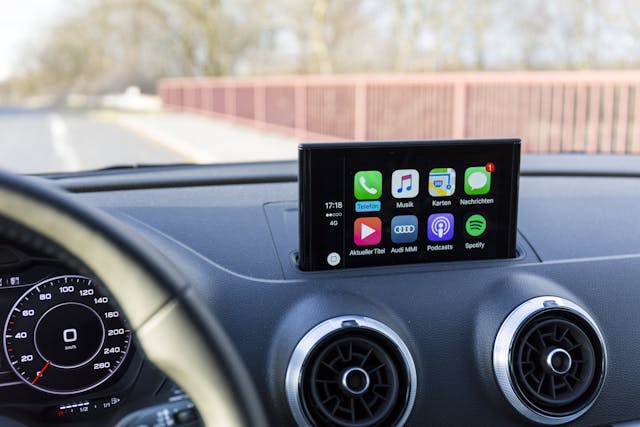
The automotive industry has moved rapidly from purely mechanical systems to highly integrated electronic architectures. Today’s vehicles are designed with sophisticated modules such as advanced driver-assistance systems (ADAS), multimedia infotainment systems, electric drive units, and connectivity interfaces that all communicate via high-speed networks. This digital transformation means that diagnostics now involves not just reading basic error codes, but analyzing intricate sensor feedback and software-driven errors across multiple systems. According to Forbes, this digital transformation is fundamentally redefining the skillset required of automotive professionals.
AI and ML in Diagnostics
Artificial Intelligence and Machine Learning are increasingly vital in the automotive diagnostic process. These technologies sift through extensive datasets produced by hundreds of vehicle sensors, using pattern recognition to anticipate part failures, flag abnormal conditions, and support preventive maintenance. AI-powered systems can spot subtle deviations in engine performance or fluid dynamics long before they become obvious problems. This predictive approach helps technicians act proactively, reducing unexpected breakdowns and minimizing downtime. Machine learning models continue to improve as they learn from more data, making vehicle diagnostics more effective over time.
Over-the-Air Updates
Wireless software updates, known as Over-the-Air (OTA) updates, are becoming standard in modern vehicles. These remote-updating capabilities allow manufacturers to deploy bug fixes, security patches, and feature improvements directly to cars while they remain in the owner’s driveway. Not only does this save drivers a trip to the dealership, but it also ensures critical issues can be resolved swiftly and efficiently. This trend is especially important as vehicles become more reliant on integrated software, with OTA updates contributing to ongoing safety, compliance, and user experience. Market analysts expect a continued surge in OTA adoption across all vehicle types as manufacturers recognize the associated cost and logistical advantages.
Augmented Reality in Repair
Augmented Reality technology is revolutionizing automotive repair procedures by giving technicians interactive, real-time overlays of repair steps and part locations. Using tablets or smart glasses, repair professionals can view 3D schematics superimposed on the actual vehicle, reducing the need for paper manuals and speeding up complex jobs. This hands-free access to technical data improves troubleshooting accuracy and lowers the risk of missed procedures or misdiagnosis. As a result, service centers are seeing reduced turnaround times and increased first-time fix rates, both of which bolster customer satisfaction and shop efficiency.
Remote Diagnostics and Telematics
Telematics systems enable vehicles to send real-time operational data to service networks or fleet managers. Using this connectivity, potential faults are identified as soon as they arise, often before the driver notices. Service centers can pre-plan maintenance visits and pre-order the necessary replacement parts, streamlining logistics and ensuring repairs happen quickly. For commercial operators, this translates to fewer delays and maximizes fleet productivity. Car owners also benefit, as remote diagnostics often provide early alerts about needed attention, promoting proactive care and enhancing long-term vehicle health.
Challenges and Considerations
Despite the promise of digital innovation, the rising complexity of the automotive industry requires technicians to pursue ongoing education to keep pace with new tools and protocols. The rapid integration of wireless communication and cloud systems within cars invites cybersecurity concerns, making robust protective measures a top priority for manufacturers and repair centers. Secure system design, regular software updates, and employee training are essential to safeguard vehicle data and ensure occupant safety.
Future Outlook
The automotive service landscape will continue to evolve as digital and physical systems become increasingly intertwined. Major advancements in sensor technology, data analytics, and real-time connectivity will fuel ongoing changes in both diagnostics and repair methodologies. Collaborative partnerships among carmakers, suppliers, and technology firms will be critical in developing universal standards and securing vehicle ecosystems. Ultimately, the industry’s capacity to adapt will determine its ability to deliver safe, efficient, and user-focused mobility in the coming years.
By embracing these ongoing technological transformations, repair professionals and car owners alike can ensure vehicles retain peak performance, value, and safety far into the future.