
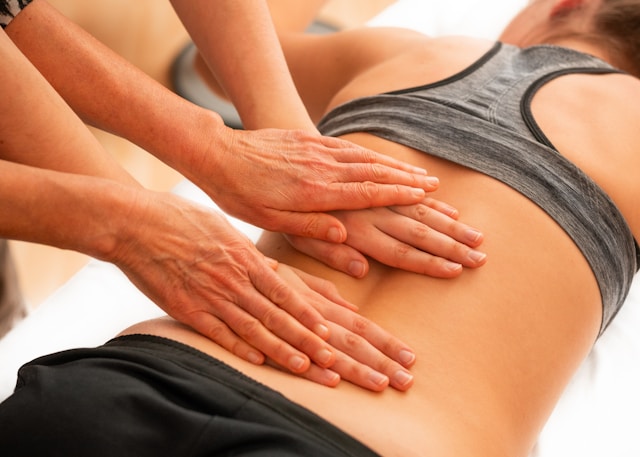
Beyond the Pain: Restoring Function and Well-being
Functional movement rehabilitation is a therapeutic approach that focuses on restoring the body’s natural movement patterns to improve overall function and reduce pain. This method emphasizes exercises and techniques that mimic real-life activities, helping individuals regain strength, flexibility, and coordination in their daily movements. By addressing the root causes of dysfunction, such as muscle imbalances or poor posture, functional movement rehabilitation can lead to long-term improvements in mobility and prevent future injuries. For those seeking specialized care, movement rehabilitation Bowling Green offers tailored programs to meet individual needs and promote a full recovery.
The Role of Functional Movement in Everyday Life
From lifting groceries to climbing stairs, functional movements are foundational to living an active and pain-free life. They engage multiple muscles and joints, improving overall coordination and strength. Mastering these movements can make daily activities more manageable and less taxing on the body. For instance, squats can mimic standing up from a chair, while deadlifts resemble picking up heavy objects from the ground. This type of movement training helps to build strength, flexibility, and balance, which are critical for preventing injuries and maintaining independence, especially as we age.
Benefits of Functional Movement Rehabilitation
- Injury Prevention: Developing effective movement patterns in the body lowers the chance of damage from daily tasks. Functional movement rehabilitation ensures that muscles and joints can handle various stresses and movements, decreasing the likelihood of strains or sprains.
- Enhanced Mobility: It helps maintain and improve joint mobility, which is crucial as we age. Improved mobility allows for a more excellent range of motion and flexibility, essential for everyday tasks and overall quality of life.
- Improved Posture: Proper functional movements promote better posture, reducing stress on the spine. Good posture is not only about appearance but is crucial for preventing back pain and other musculoskeletal issues.
- Pain Reduction: Chronic pain, especially in the lower back and neck, can often be alleviated through targeted functional rehabilitation. This treatment method can offer long-term relief from chronic pain issues by addressing the underlying movement dysfunctions.
Critical Components of Functional Movement Rehabilitation
Common elements include:
- Assessment: Evaluating movement patterns to identify dysfunctions. This assessment typically consists of various tests to analyze how different parts of your body move about one another. This could involve observing your posture, gait, and even how you perform basic movements like bending and reaching.
- Correction: Implementing exercises that target and correct deficits. The specific imbalances or deficiencies found during the examination are the focus of these exercises. For example, targeted stretches and strengthening exercises would be incorporated into your routine if poor hip mobility is detected.
- Strengthening: Enhancing the strength of weak muscle groups to support functional movements. Strengthening involves isolated and compound exercises that build muscle strength and endurance, fortifying the body against potential injuries.
- Mobility Work: Stretching and mobility exercises to enhance joint range of motion. Mobility exercises focus on the flexibility of muscles and the coherence of joint movements, which is crucial for effective and pain-free functional movement.
How to Get Started with Functional Movement Rehabilitation
Starting with a qualified professional is key. They can assess your movement patterns and develop a customized plan to address your needs. Simple techniques like these basic stretching exercises can be integrated to enhance your flexibility and mobility. A trained specialist can guide you through the initial assessments and design a program tailored to your unique body mechanics and fitness level. With this tailored approach, you can be sure that your motions are optimized for maximum benefits and the lowest possible risk of harm.