
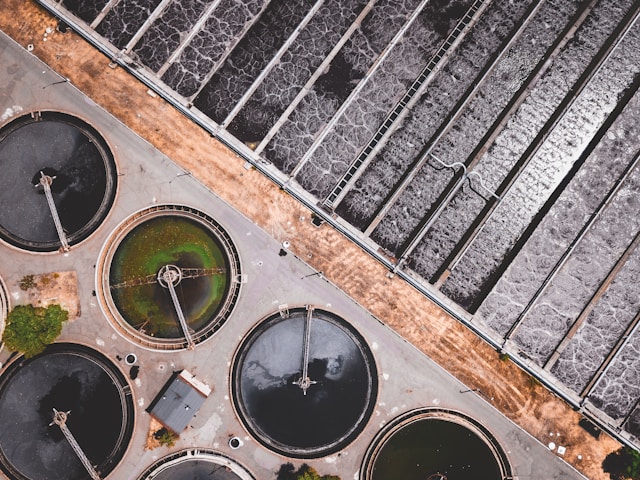
Efficient and Eco-Friendly Septic System Installations
Table of Contents:
- What is a Septic System?
- Importance of Eco-Friendly Installations
- Steps for Efficient Septic System Installation
- Choosing the Right Materials
- Maintenance Tips for Long-term Efficiency
- Cost Considerations
- Conclusion
What is a Septic System?
A septic system is an underground wastewater treatment structure commonly used in rural areas without centralized sewer systems. These systems generally consist of a septic tank and a soil absorption field. Wastewater flows from the household or building into the septic tank, where solids settle to the bottom, forming sludge, while oils and grease float to the top as scum. The middle layer of liquid effluent flows out of the tank into the soil absorption field, also known as the drain field, for further natural treatment and dispersal.
Knowing different services, such as septic tank installation Orlando FL, is crucial for those considering installing a septic system. This can guide homeowners through the complexities of septic system implementation and maintenance. By understanding the workings and requirements of septic systems, homeowners can make informed decisions and ensure the longevity of their installations.
Importance of Eco-Friendly Installations
Eco-friendly septic system installations are crucial for minimizing environmental impact and conserving resources. Using sustainable materials and practices, you can protect local water sources, reduce chemical usage, and ensure the system is compatible with the surrounding ecosystem. Green installations contribute significantly to safe and effective wastewater management. Eco-friendly practices also reduce the risk of contamination to groundwater sources, which is particularly important in areas reliant on healthy water.
Furthermore, eco-friendly installations often use fewer resources and generate less waste. By selecting materials that are sustainably sourced and designed for long-term use, homeowners can reduce the environmental footprint of their septic systems. Additionally, incorporating green technologies and designs can enhance the system’s efficiency, leading to better performance and lower maintenance costs.
Steps for Efficient Septic System Installation
- Site Evaluation: A thorough property assessment is the first crucial step. This involves considering soil type, topography, and local regulations. Soil testing is necessary to determine the soil’s ability to treat wastewater. Topographical features must also be assessed to ensure proper drainage from buildings and water sources.
- System Design: Creating a design that fits the site’s specific requirements and ensures optimal performance is paramount. The design process should take into account the daily wastewater flow, the size of the tank needed, and the configuration of the drain field. A well-thought-out design ensures the long-term effectiveness of the system.
- Permitting Process: Securing the necessary permits from local authorities is essential before installation. This step ensures compliance with health and building codes. Proper documentation and coordination with local health departments will prevent legal complications and delays.
- Excavation and Installation: Once permits are in place, careful excavation is followed by installing the septic tank and absorption field. Precision during excavation ensures the tank is level and positioned correctly, preventing future operational issues. Proper installation techniques prevent potential environmental hazards.
- System Testing and Inspection: The final step is to conduct tests to ensure the system operates correctly and meets all regulatory standards. This involves water tightness tests for the tank and percolation tests for the drain field. Final inspections by local health officials will verify that the system meets all necessary codes and regulations.
Each step in the installation process is designed to ensure that the septic system operates efficiently and adheres to local regulations, providing years of trouble-free service.
Choosing the Right Materials
Opting for high-quality, sustainable materials will guarantee the longevity and efficiency of your septic system. Consider using materials such as reinforced concrete, which offers durability and resistance to environmental stresses. High-density polyethylene is another excellent choice for its lightweight, chemical resistance, and longevity. Eco-friendly field lines from recycled or sustainable materials can enhance the system’s environmental profile.
Certified and recommended materials can help ensure your system complies with health standards and local regulations. In addition to choosing resilient and sustainable materials, it is vital to consider the source and manufacturing processes of these materials further to reduce the overall environmental impact of the installation.
Maintenance Tips for Long-Term Efficiency
Regular maintenance is critical to keeping a septic system operating efficiently. It is recommended that the septic tank be inspected at least every three years and pumped every three to five years, depending on usage and tank size. Regular inspections help identify potential issues such as cracks, leaks, or blockages before they become significant problems.
Practicing water conservation by installing low-flow fixtures and promptly repairing leaks can reduce the septic system strain. Avoiding the disposal of harmful substances, such as grease, chemicals, and non-biodegradable items, into the system prevents damage to the tank and drain field. Homeowners should also be mindful of landscaping around the septic area to avoid root intrusion and soil compaction.
Proper maintenance extends the lifespan of the system and prevents costly repairs. Educating all household members about septic system care can contribute significantly to the system’s long-term efficiency and performance.
Cost Considerations
The cost of installing a septic system can vary based on material quality, system size, and local labor rates. Budgeting for initial installation and ongoing maintenance is essential to ensure the system’s long-term functionality. Higher-quality materials and proper installation practices may have a higher upfront cost but can result in lower maintenance expenses and a longer-lasting system.
Consider obtaining multiple quotes from reputable contractors to ensure competitive pricing and comprehensive service. Additionally, homeowners should factor in the costs of permits, inspections, and potential site modifications. Planning and allocating resources wisely can result in a more cost-effective and efficient installation, ultimately providing better value and performance over the system’s life.
Conclusion
Installing an efficient and eco-friendly septic system is a crucial investment in the health and safety of your home and environment. By following these guidelines and avoiding common pitfalls, you can ensure a smooth installation process and a sustainable wastewater management solution. Embracing green practices benefits your immediate surroundings and contributes to the larger ecological footprint.