
How Soundproof Windows Make a Difference at Home
Key Takeaways
- Soundproof windows can reduce external noise by up to 95%, forming a crucial part of a tranquil home environment.
- Double- or triple-glazing and laminated glass are among the most effective noise-reduction technologies.
- Proper installation and sealing are vital for optimal noise reduction performance.
- Soundproof windows can also boost energy efficiency and increase your property’s marketability.
Table of Contents
- Introduction
- Understanding Soundproof Windows
- Benefits of Soundproof Windows
- Types of Soundproof Windows
- Installation and Maintenance
- Cost Considerations
- Alternative Noise Reduction Methods
- Conclusion
The quest for peace and quiet is becoming increasingly important as neighborhoods grow busier and outside noises seem to intrude more than ever. Street traffic, construction, and everyday urban activity can turn a relaxing evening at home into an ongoing struggle with unwanted sound. One highly effective solution that many homeowners are turning to is the installation of noise reducing windows. These specialized windows are designed to keep your indoor environment calm and comfortable, significantly reducing disruptive noise from outside.
Upgrading to soundproof windows significantly enhances indoor sound quality and comfort. Benefits include better sleep, reduced stress, and improved insulation. These windows are engineered with advanced components that provide effective noise reduction and support homeowners’ well-being. This guide covers their functionality, types, installation tips, and cost considerations, making them particularly valuable for those in noisy environments.
Understanding Soundproof Windows
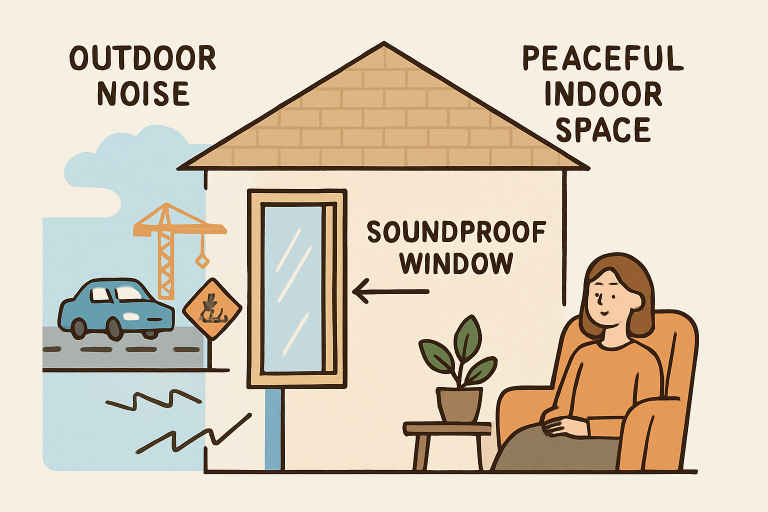
Soundproof windows are created to block unwanted noise by minimizing the transmission of sound waves from the outside into your home. They do this through multiple panes of glass, with air or inert gas sealed between them, advanced glazing, and tightly fitted frames that prevent gaps. All these components are carefully engineered to disrupt and reduce the pathways that allow noise to travel indoors.
A key metric to consider is the Sound Transmission Class (STC) rating. The higher the STC rating, the more effective the window is at blocking sound. Most standard windows have STC ratings of 18 to 28, while soundproof models can achieve ratings of 45 or higher, depending on their design and materials.
Benefits of Soundproof Windows
For those considering an upgrade, the benefits of soundproof windows extend far beyond quiet. One of the most immediate changes homeowners report is a marked increase in comfort and a sense of relaxation. When your living space is free from constant disturbances, it becomes easier to focus, unwind, and connect with your family.
- Healthier Sleep: Continuous or sudden noises, especially at night, can disrupt your sleep cycles and overall health. Soundproof windows help create the ideal conditions for a good night’s rest.
- Increased Home Value: Real estate experts note that modern buyers seek properties with soundproofing features, making these windows an investment that pays off during resale.
- Energy Savings: Many soundproof windows offer enhanced insulation, reducing heat loss in winter and keeping your home cooler during summer, ultimately lowering energy bills.
- Peace and Privacy: By blocking sounds from busy roads or neighbors, you gain a more private and serene environment, even if you live in a densely populated area.
Types of Soundproof Windows
There are a variety of soundproof window designs, each leveraging different materials and construction methods to dampen noise:
- Double-Pane Windows: These use two panes of glass with air or argon gas between them to dampen sound vibrations. They also help with thermal insulation.
- Triple-Pane Windows: Adding a third layer of glass and another gap further enhances sound-blocking properties, making them ideal for particularly noisy environments.
- Laminated Glass: A layer of plastic is sandwiched between glass panes, which efficiently absorbs and reduces sound waves. This method is especially effective against mid to high-frequency noise.
- Dissimilar Glass: By combining panes of different thicknesses, these windows disrupt a broader range of sound frequencies, tackling both high-pitched and low-frequency noise sources.
Installation and Maintenance
Soundproof windows need to be installed meticulously to be effective. Any gaps or poorly fitted seals can dramatically reduce performance. Hiring an experienced professional is crucial, as they have the expertise to ensure each window is properly aligned and completely sealed.
Maintenance for soundproof windows is generally straightforward. Regularly inspect seals for wear or damage, and clean the tracks to prevent dirt buildup that could compromise the airtight seal. Simply following the recommended guidelines will ensure your windows continue to perform at their best for years.
Cost Considerations
The cost of upgrading to soundproof windows varies significantly depending on materials, window size, and the complexity of the installation. While the initial investment can be higher than that of standard windows, most homeowners find the reduction in noise, energy savings, and increased property value quickly justify the expense. Factor in your local noise challenges and your long-term goals for comfort and value when setting a budget.
Cost estimates are important, so always seek several quotes and ensure your installer is experienced with soundproof window systems. Selecting the right window style for both your climate and noise-reduction needs can affect the final price and performance.
Alternative Noise Reduction Methods
If replacing windows entirely is not an option, there are still several ways to cut down intrusive noise without a full upgrade:
- Window Inserts: These fit onto existing windows and add an extra layer of glass or acrylic, creating additional insulation against noise.
- Heavy Curtains or Drapes: High-density, heavy fabrics absorb and dampen noise, making them an inexpensive and attractive option for many rooms.
- Sealing Openings: Inspect window frames, sills, and any surrounding cracks. Use acoustical caulk or weatherstripping to block sound leaks and boost noise resistance.
Conclusion
Investing in soundproof windows can dramatically improve your home’s comfort, energy efficiency, and even market value. By choosing the right technology and ensuring professional installation, you gain substantial relief from external noise, leading to a more peaceful, private, and inviting living space. Explore all available options and consult professionals to find the best solution for your unique environment and transform your home into a true sanctuary.