
Blueprint to Byte: Leveraging Building Information Modeling (BIM) for Flawless Project Execution.
Introduction
In the fast-paced world of modern construction, strategic planning is paramount to delivering projects on time and within budget. Companies that embrace innovation can dramatically enhance efficiency, safety, and sustainability. In addition, clients in regions like Warner Robins, GA, are seeking firms that balance advanced technology with the proven methods of traditional construction, resulting in projects that meet and exceed expectations.
By incorporating emerging tools and practices, project managers set the foundation for better outcomes. Tapping into digital technologies, AI-powered solutions, and sustainable building materials, today’s construction leaders demonstrate a commitment to quality, environmental stewardship, and future-focused growth. Whether building new offices, schools, or homes, smart strategies empower all stakeholders to streamline their processes and ensure long-term project viability.
- Digital project management tools can reduce overruns by up to 30% and raise productivity by 15-20%.
- AI and automation counter labor shortages and boost efficiency.
- Choosing sustainable materials supports environmental goals and cuts costs over time.
Advancements in communication and data analysis tools have made it easier for contractors, architects, and clients to stay in sync. These technologies simplify complex workflows, manage document control, and provide real-time visibility into every phase of construction. For those exploring new builds or extensive remodeling projects, embracing digital platforms can save substantial time and minimize costly mistakes.
Embracing Digital Project Management Tools
Digital project management platforms have transformed the planning process. These tools enable detailed scheduling, resource allocation, and team collaboration. With integrated dashboards, stakeholders enjoy greater transparency and accountability throughout the build. Companies leveraging these digital solutions can expect up to a 30% reduction in project overruns, alongside a dramatic boost in productivity. By streamlining communication and document management, potential issues are spotted early, keeping the project on track from start to finish.
Leveraging AI and Automation
Artificial intelligence and automation are addressing some of the industry’s most pressing challenges. AI-powered monitoring systems can track construction progress and detect deviations from plans almost instantaneously. Predictive analytics enable early identification of potential delays or safety concerns, dramatically improving efficiency and minimizing risks. For example, companies like Buildots use machine learning algorithms to identify productivity bottlenecks and resolve challenges before they escalate. Automation also has a profound effect on site work, with robots capable of laying bricks at much faster rates than manual labor. These advances not only tackle the ongoing labor shortage but also drive greater consistency and output across large-scale projects.
Integrating Sustainable Materials and Practices
Environmental responsibility is no longer optional in construction. Builders and developers who prioritize sustainable materials and energy-efficient methods enjoy regulatory, reputational, and financial rewards. Innovative materials, such as prefabricated stone or recycled composites, offer high thermal inertia, lower lifecycle costs, and a reduced environmental footprint. Sustainable urban planning initiatives, such as Denmark’s Nye Masterplan, showcase how cities can integrate high-density living with green infrastructure, fostering biodiversity while conserving resources.
Enhancing Collaboration Through Technology
Successful construction projects hinge on seamless collaboration among stakeholders. Cloud-based platforms enable architects, engineers, and contractors to access project data and plans simultaneously, enabling real-time updates and approvals from anywhere. A notable example is the University of Alabama’s Smart Communities and Innovation Building. Here, technology not only drives operational efficiency but also strengthens innovation and inclusivity, ensuring project outcomes meet both functional and community needs. Teams that leverage collaborative tools experience less rework, smoother handoffs, and improved overall quality.
Building Trust and Accountability
Open lines of digital communication build the trust necessary for complex, multi-phase construction. By assigning accountability and providing clear visibility at every stage, stakeholders can resolve conflicts quickly and push progress forward without delay. These collaborative technologies facilitate a more transparent, unified approach to project delivery.
Prioritizing Safety with Advanced Monitoring
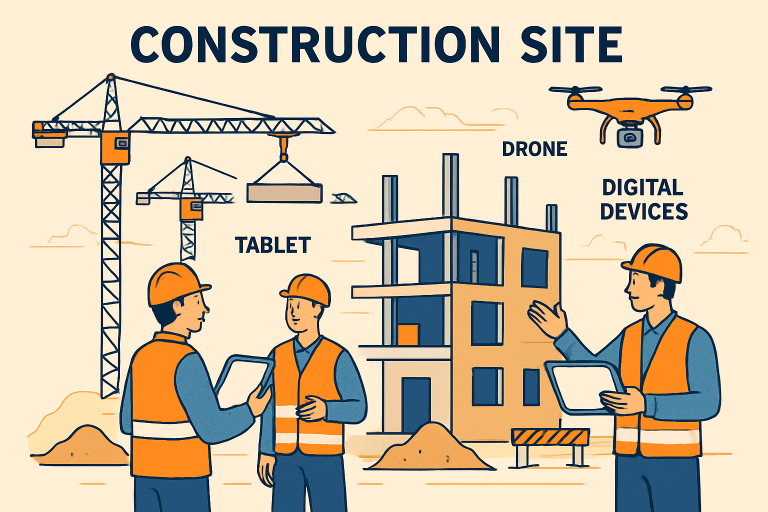
Construction zones are inherently risky. The adoption of AI-driven analytics, drones, and IoT-enabled sensors provides immediate feedback on safety compliance and site hazards. These systems monitor everything from worker PPE usage to machinery movements, improving site safety management and reducing accidents by up to 25%. As highlighted by Construction Dive, proactive safety measures supported by advanced technology foster a culture of protection and care, safeguarding both workers and site visitors.
Adopting Prefabrication and Modular Construction
Prefabrication and modular construction approaches are rapidly gaining favor. By manufacturing parts off-site and assembling them on-site, projects move faster and generate less waste. Modular methods also allow for factory-level quality control, reduced labor requirements, and predictable costs. These efficiencies are particularly valuable as cities face increased demand for housing and infrastructure. Prefabrication is reshaping expectations around project delivery and enabling faster responses to market needs.
Conclusion
Smart construction planning is no longer a luxury, as it’s a necessity for modern success. Harnessing digital platforms, AI, automation, and sustainable methods not only improves efficiency and safety but also meets regulatory and societal expectations for responsible building. By staying up to date on evolving technologies and best practices, industry professionals set the stage for superior outcomes and enduring value in every project.